8.28 | kinetic type + intro to ae

Due Today: 2 kinetic type examples and reflection; begin exploring 3 audio selections (30s–60s) – not due until Tuesday

For Today: Review Medium; Kinetic Type; Review Kinetic Type Examples; Demo: Intro to After Effects; mini group discussions for P1 audio selections

Design Kinetic Type Research F25.pptx


1-introduction-to-motion

When I first started out, I would just jump right into design. I would try to design my way out of a problem and sometimes that works. But, more often than not, you end up a dead end. It definitely helps to know what the concept is first and design from there.
—Lauren Hartstone, Designer/Directer (as quoted in Shaw, 2016)

Today’s Resources

For project 1, use type creatively through various typographic treatments such as manipulating the tracking or leading to create rhythm; changing the opacity, size, or weight to create contrast; distorting through pulling, pushing, or blurring; exploring outlines, layering, or using type as a texture. Keep placement and transitions consistent. Allow enough time for the viewer to read text.

P1 Examples
Due Next Class
  • Reflect and brainstorm on how final audio choice might be able to be expressed typographically. Conceptualize. Consider: how does this audio feel? pacing? Go into as much description as you can.
  • Practice using keyframes and animating shapes.
  • Review Today’s Resources
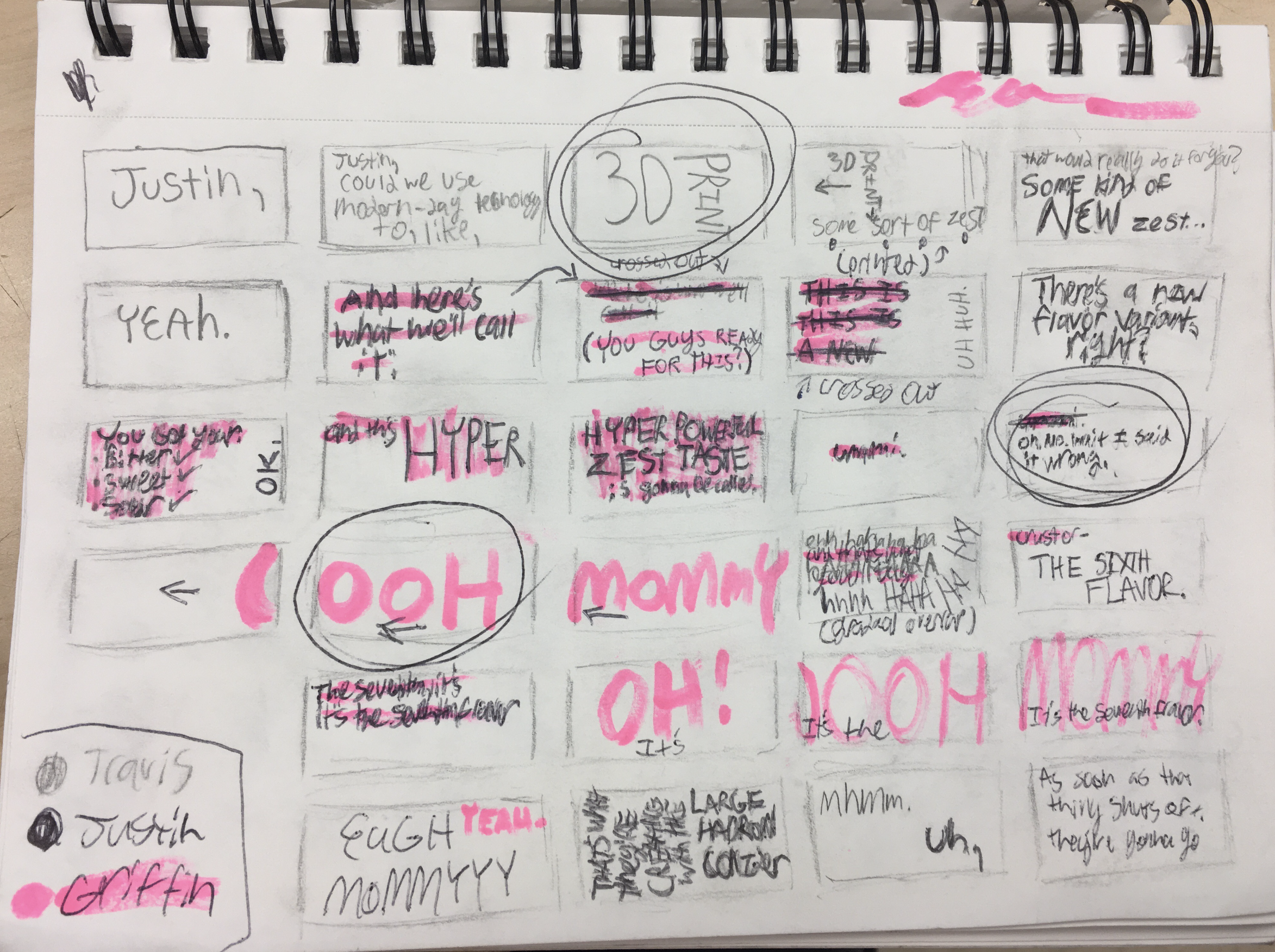
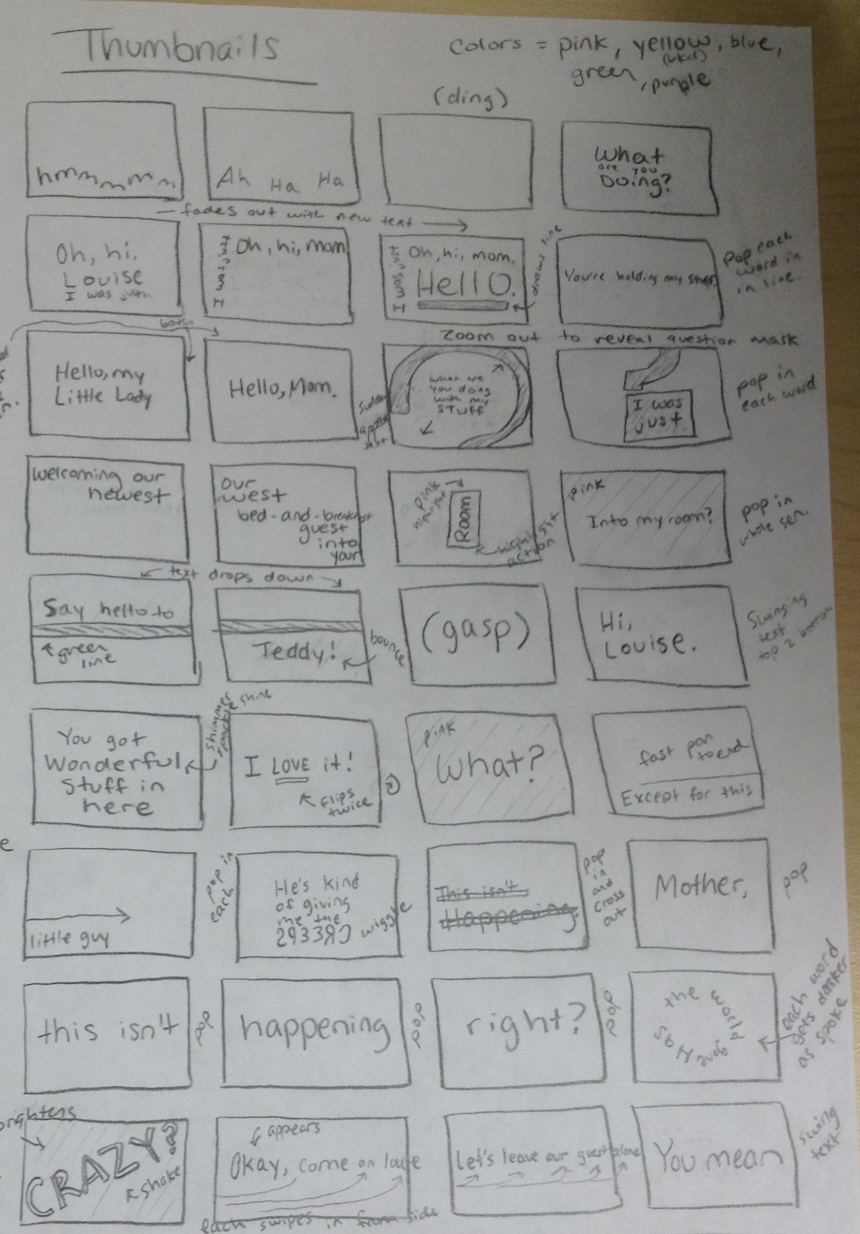
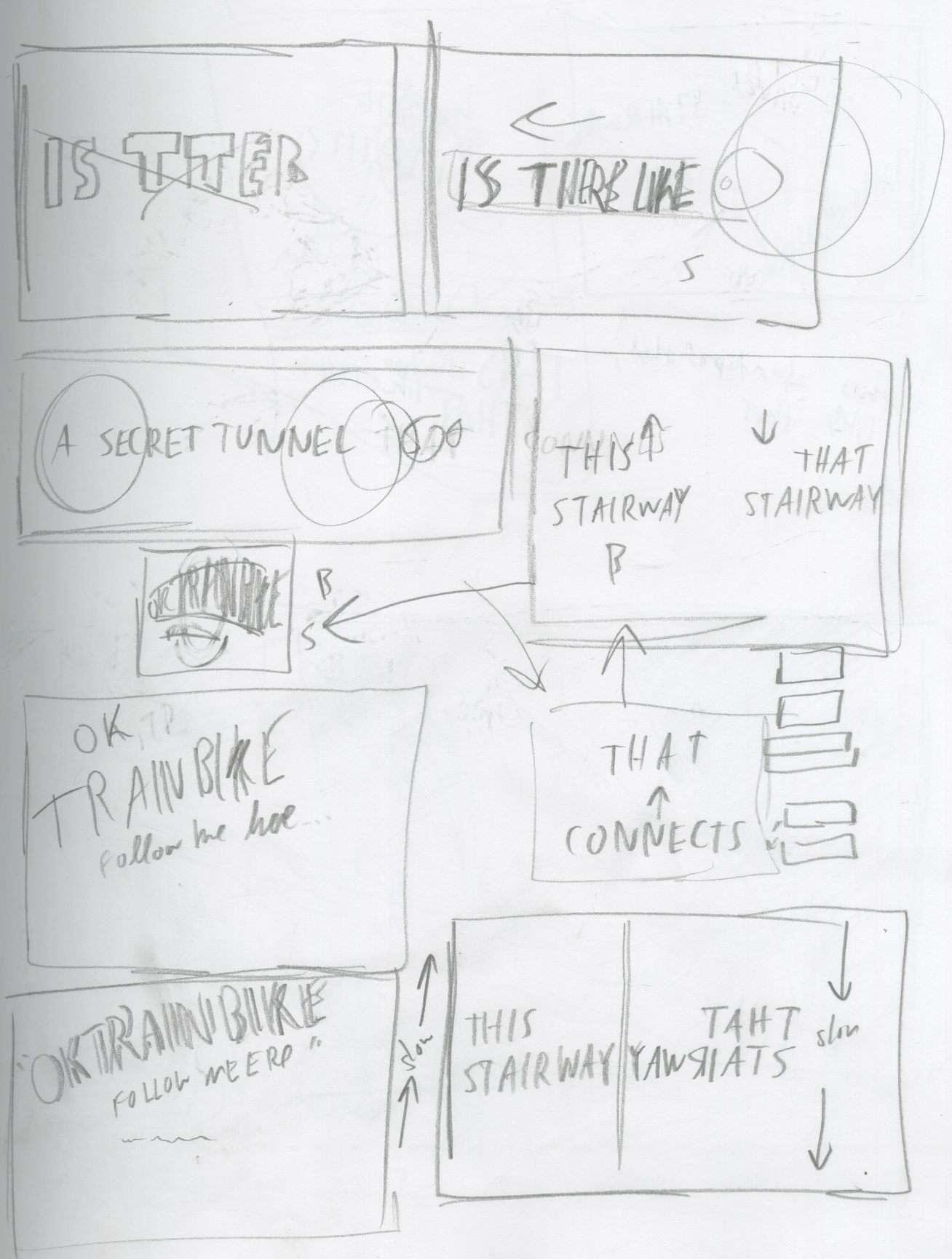
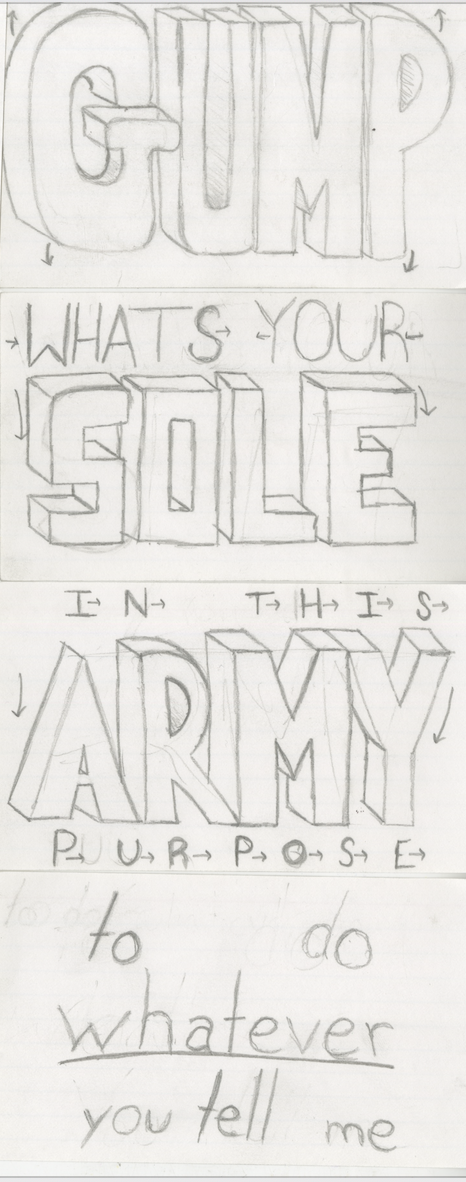
  • P1 Thumbnail sketches (photo document all sketches) + Ideation:
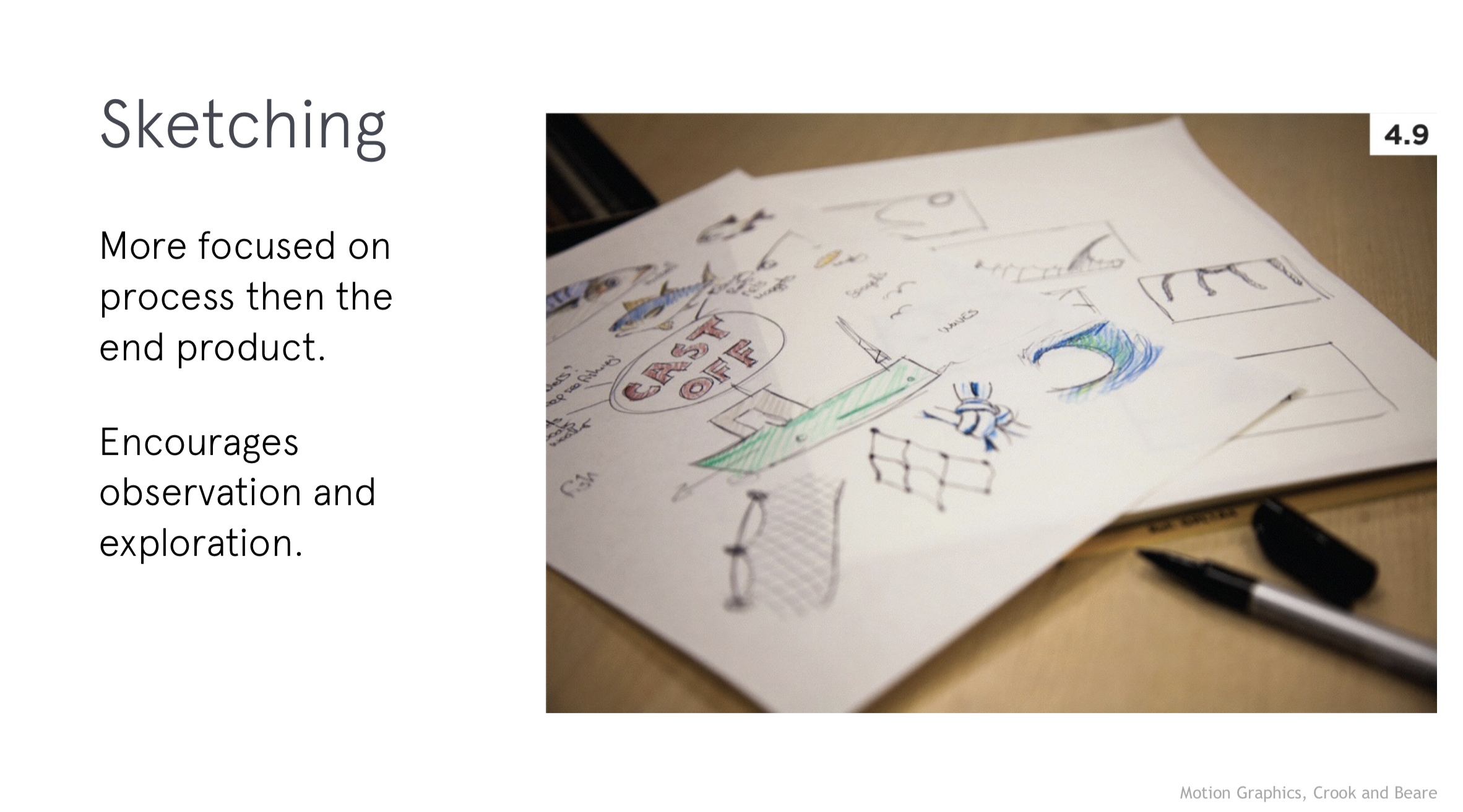
    • Quick, loose drawings that capture your first ideas for how type might move and behave in sync with your audio. These are not polished, but they help you brainstorm. Sketching first helps you generate many options quickly, focus on concept, and avoid getting “stuck” in After Effects too soon. Get started:
    • Start by writing keywords/qualities that describe the emotion, pacing, or mood of your audio (e.g., “playful,” “urgent,” “melancholy”). Consider the mood of the characters.
    • Draw little frames that show how words might enter, move, or exit. Think about rhythm (fast vs. slow), scale (small vs. big), and placement (center vs. off-screen).
    • Don’t worry about style yet—focus on storytelling and motion flow.
  • P1 Type Exploration + Moodboard:
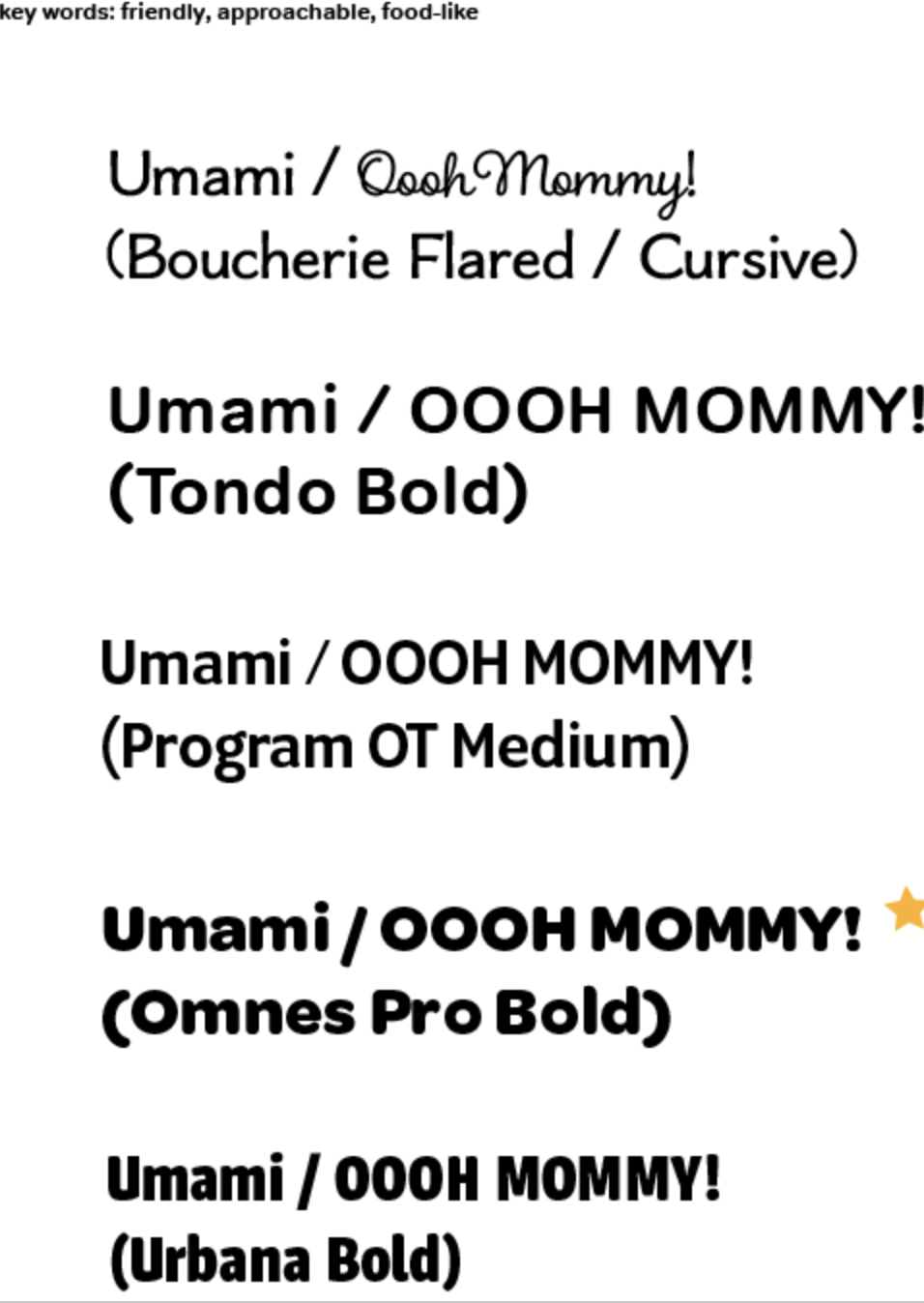
    • Type: Since this project is entirely about type in motion, your typeface choice will drive the tone. For example, a blocky sans serif feels bold and urgent. Consider how you want the type to FEEL. Since the first project is rooted in typography, this can be merged with the moodboard. Get started:
      • Choose 1–3 keywords (e.g., “chaotic,” “lighthearted,” “serious”).
      • For each, pick 3-5 typefaces that embody that feeling. Explore stylistic tweaks like all caps vs. lowercase, stretched vs. condensed, bold vs. thin.
      • Consider non-digital type: hand-lettered, photographed letters, textured/tactile type. Import those into AE to animate.
      • Resources:
    • Moodboard:
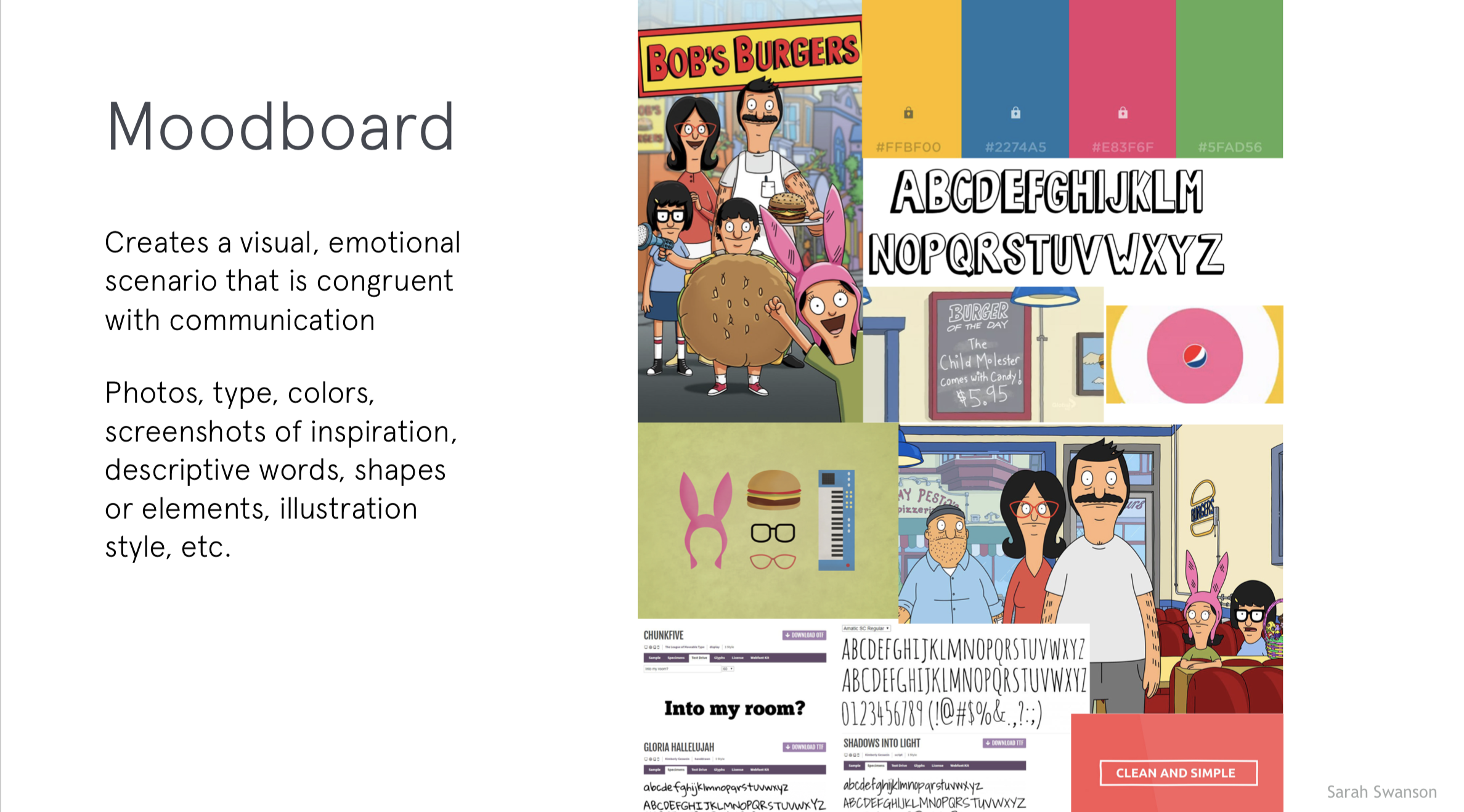
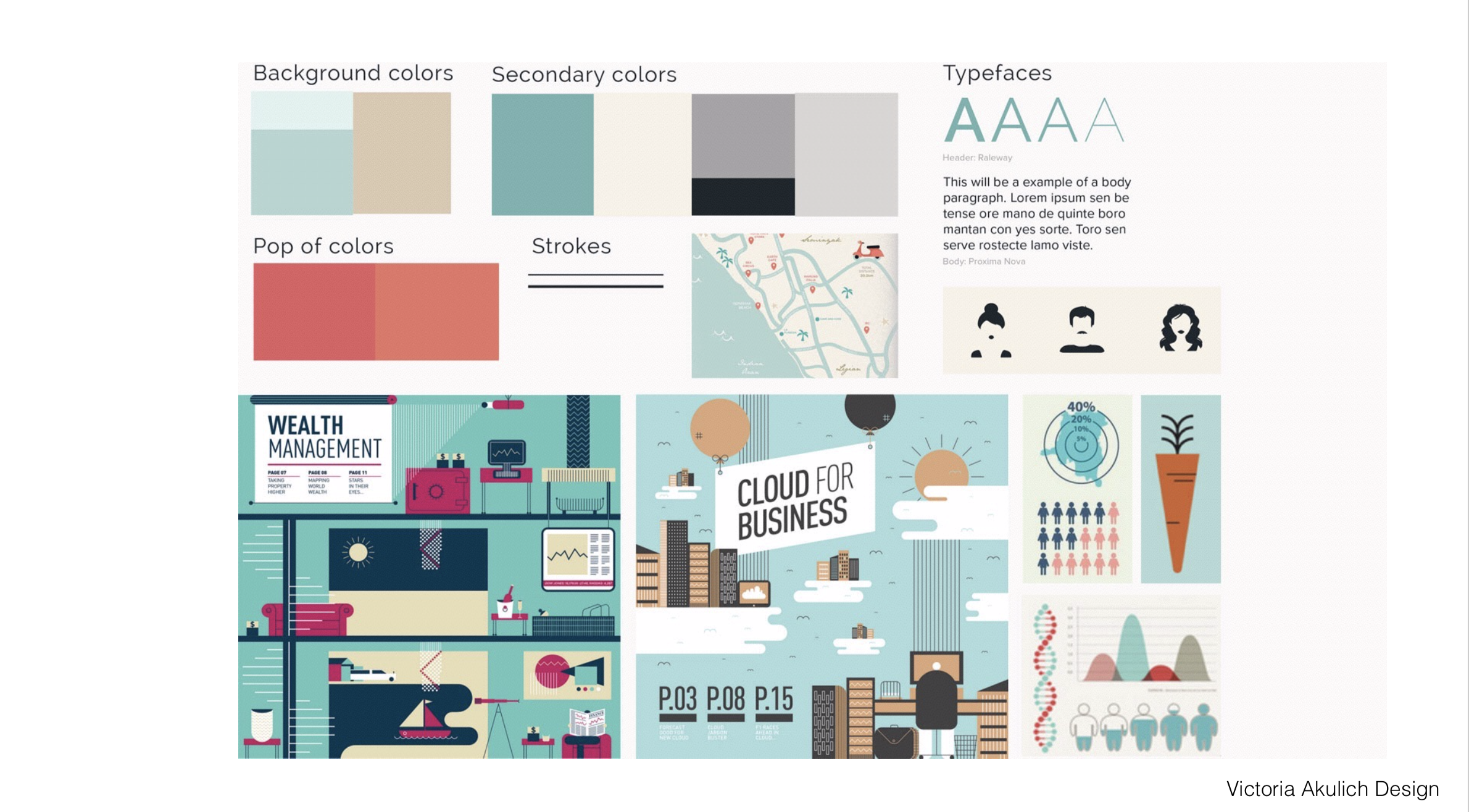
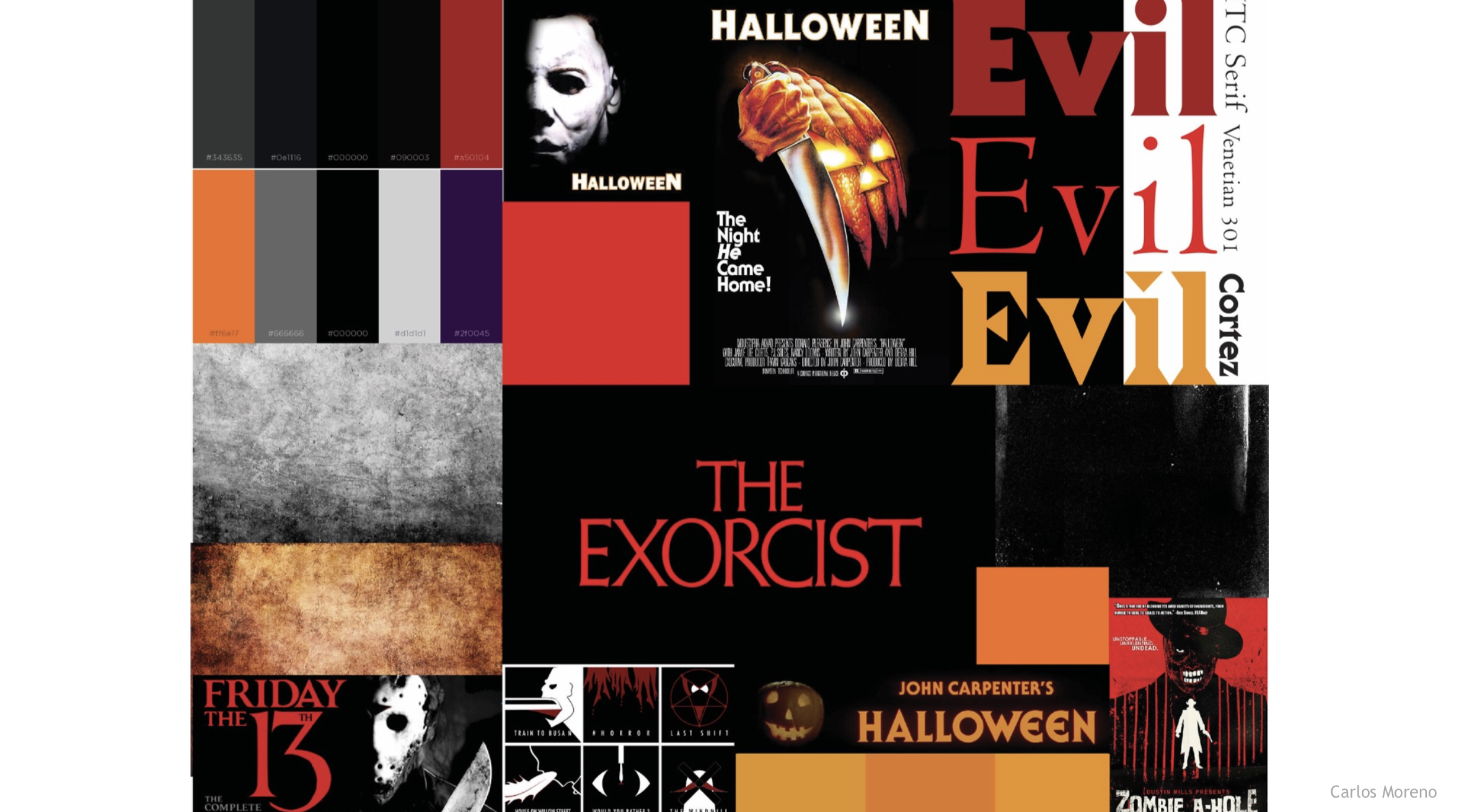
      • A collection of visuals (colors, textures, type examples, design references) that define the overall look and feel of your piece. It ensures your final animation feels intentional and cohesive. Get started:
        • Collect pieces of inspiration: typography samples, color palettes, textures, or imagery that reflect your concept.
        • Organize them in one board (Adobe Illustrator, Photoshop).
        • Make sure your type exploration feeds into this—include your test typefaces.
        • Can be helpful to add notes that connect each choice back to your keywords.

After Effects
Project 1 Schedule
  • 9.2 – Demo: Interface Review/Keyframe Basics/Shapes/Single Compositions+Layers /Importing/Text Tool; Exercise 1; Due: P1: concept development, thumbnail sketches, typeface exploration and moodboard
  • 9.4 – P1 3 Styleframes Due; Vimeo Setup; P1 Crit #1 – Styleframes
  • 9.9 – Demo: Compositions/Masks/Audio Sources; Lecture: Motion Design Process; Small Group Crit
  • 9.11 – Demo: Keyframe Interpolation/Time Remapping/Parenting/Graph Editor/Audio; Exercise 2; P1  Crit #2 (10s)
  • 9.16 – Demo: Track Mattes; Lecture: History of Motion Graphics; Studio
  • 9.18 – P1 Final Crit #3 (30s)
  • 9.23 – Lecture: Principles of Motion Graphics; Studio
  • 9.25 – SUBMIT P1; P1 Final Presentation; Begin P2 

8.26 | intro to motion

Welcome to Motion Design. Below you will find some resources you may find helpful for the first day.

For Today: Course Introduction / Review Syllabus, Complete Survey + Syllabus Agreement; Lecture: Intro to Motion Design; Begin P1 Kinetic Typography

1-introduction-to-motion
Today’s Resources

P1 Examples:

For Next Class
  • Research Kinetic Typography: Research 2 examples of successful kinetic typography. I recommend searching for examples that are either GIFs or include links (with screenshots) to examples on a specific website. GIFS can be saved. If using Google Images, you can go to Tools > Type (GIFs) to search for example (reference screenshot below). Post examples to the Motion Design Kinetic Type Research F25.pptx
  • Kinetic Type Reflection: Why do you feel these two examples are successful?
    Craft a thoughtful reflection (approximately 75-125 words each), diving into the essence of your chosen kinetic typography examples. Consider concept, visual style, timing, sequence, use of story/narrative, etc. Share insights into the visual elements, stylistic choices, and mood that caught your attention. Discuss the effectiveness of the design in conveying the intended message or mood. Focus on the typography’s relationship with motion, and delve into any intriguing design techniques that enhance the viewer’s engagement. Feel free to touch on aspects such as color, font selection, pacing, and visual effects. Aim to provide a concise yet insightful analysis that showcases your critical thinking and artistic observation. Post your reflection next to your Kinetic Type examples in the Motion Design Kinetic Type Research F25.pptx.
  • Begin researching P1 Audio selection: Find 3 potential selections for your audio (30s–60s).
  • Looking Ahead: Reflect and brainstorm on how each might be able to be expressed typographically. Conceptualize. Consider: how does this audio feel? pacing? Go into as much description as you can. Keep any notes/sketches for your process work.
Due Next Tuesday 2nd

12.1 | p4 split crit


For Today
: p4 split crit#3

P4 Motion Poster Critique

Focus for Critique: 

CONCEPT/MOOD: What is the overarching idea (thinking, logic, thread) for your design? How does the poster feel? 

CONTENT/MESSAGE: Is the topic clear? Does the content hook us? Does the poster's content unfold in a purposeful way? 

TIMING: Look at speed and feel for "sticky spots." Does everything flow? Do any areas feel too slow/fast? 

TRANSITIONS: Does any content enter/exit at the wrong time? Are there any transitions that seem out of place or lacking? Looping considerations. 

FORMAL CHOICES: Then…how are your design choices communicating the above? Type, color, imagery, etc. Is the event content read clearly, quickly, and easily? Is there unity throughout? Color coding? How did the designer use repetition with variation through the sequence?

SECTION I – MOTION IN THE FIELD

Today features creative professionals in the field working in motion design:

Stephen Ong | UK
Devon Moodley | Amsterdam
Marta Anzana | UK
Nuria Boj | podcast episode | Scotland

Studios:

Tendril – Animation & Design Studio in Toronto, Canada
Addict – Amsterdam and Mumbai
Tronic Studios – New York, NY
Abstract Groove – Milan, Italy
RockNRoller Studios
Imaginary Forces – Los Angeles, CA
Psyop – Los Angeles, CA
Big Film Design – New York, NY
Brand New Schools – NYC + LA
Yeah Haus – Detroit (animation meets motion design // illustrative 2D style)
Lunar North – Detroit (graphic design meets 3D animation)
Gunner – Detroit (team-based approach // variety of animation and motion design // example work)
Vectorform – Detroit (interactive // virtual reality // immersive storytelling)

Due Next Class: 

  • Motion Poster P4 development – Develop in AE. Render. Post to Vimeo + Import to the bottom of your Ideation Story on Medium (if you struggle posting to Medium, please just post to Vimeo… or D2L).
Project 3 Deadlines
  • 12.5 – full critique in 124 (motion + print)

Project 4 Schedule
  • 12.5 – (Mon. 10:00AM–11:50AM) – movements final will be final critique 4
  • 12.8 – (Thurs. 10:00AM–11:50AM) P4 Deadline; Final Presentations of motion poster and movements project

11.8 | puppet pin, trim paths, repeaters, e5

For Today: ae demo: repeater, trim paths, puppet pin

This week, Continue development of P3: Motion Infographic-Explainer. This week, we will work on our 30s (due Wednesday). If you haven’t already done so, be sure to record your voiceover before Wednesday of this week.

In After Effects, this week we will learn about trim paths, repeaters, and the puppet pin tool. Please watch the video below and review the resources.

  • Download: bird.png (for “3. Puppet Pin Tool” Demo)

P3 Considerations (ask yourself)

  1. Hook: Is there a strong hook (emotional, surprising statistic, relevant question or quote, metaphor, story, provocative statement, incite curiosity, intriguing visual, “imagine” statement)? Ways to improve.
  2. Timing: Does the movement synchronize with music or voice overs? Identity moments out of sync or timed incorrectly.
  3. Transitions: Do any scenes enter/exit at the wrong time? Are there any transitions that seem out of place or lacking?
  4. Formal Considerations: Do the design choices connect with big idea? Does anything break the unity throughout?
  5. Concept in Motion: Do the objects move in a way that connects with the concept? Identify how their motion moves. Choose a descriptive word and discuss whether it aligns. https://dfsalvador.com/2011/08/16/51-useful-words-to-describe-motion/
Project 3 Deadlines
  • 11.17 – *we will begin P4 on 11.17; Jacob, Grace, Emma, Kayley, Nicole
  • 11.22 – Paige, Emily
  • 11.29 – (exercise 5 due) Miranda, Andrea, Nicole, Braxton, Jasmyn, Hope, Alex, Bri

Due Next Class: 30s of P3 to Vimeo/Youtube/D2L

Project 3 Schedule (100 pts)

11.3 – crit (first 10s – “paper” crit)
11.8 – ae demo: ae demo: trim paths, repeaters, puppet pin tool (e5 – final exercise); studio for 30s
11.10 – final crit (30s)
11.15 – ae demo: motion tracking / stop motion; studio
11.17 – due: P3; lecture: motion unconstrained

history of mograph

  • Lecture: History of Motion Graphics
5-history-of-motion-graphics

Today’s Resources

9.22 | principles of mg

For Today:

  • P1 Final Presentations: 2–3 minutes; briefly describe concept (narrative, mood, contrast, and formal) and formal choices.
  • Introduce P2: Principles of Design in Motion

P2 Examples

Due Next Class:

Post/Post to a NEW story called “Principles of Design in Motion: Ideation” on Medium. How to post on Medium.

Project 1 Deadlines
9.22 – Hope, Jacob, Grace, Emma, Kayley, Andrea, Maddigan, Nicole, Emily
9.29 – Bri, Braxton, Paige, Miranda, Alex, Jasmyn

Project 2 Schedule

9.22 – Begin P2; Lecture: Principles of Motion Graphics
9.27 – no class; Friday classes
9.29 – AE Demo: Animated Paths/Image Masks/Effects; Exercise 3 (due 10.11); P2 process small group Crit #1
10.4 – Lecture: History of Motion (part 1); Crit #2 – 3 Styleframes / rough Storyboard 
10.11 – Lecture: History of Motion (part 2);  AE Demo; Cameras; Exercise 4 (due 10.18); Crit #2 – 10–15s / revised storyboard
10.13  – Crit #3 – 30s
10.18 – P2 Studio
10.20 – SUBMIT P2; Final Presentation; Begin P3